Pillar 01
From Static to Continuous
Move beyond one-time evaluations toward continuous improvement cycles that can keep pace with rapidly changing AI systems while respecting academic timelines.
IRAISE 2026 is a one-day workshop bringing together researchers, practitioners, policymakers, and industry leaders to shape responsible, theory-driven, classroom-ready AI for learning.
IRAISE builds on two successful AAAI workshops and focuses on a central challenge in AI for education: the gap between the speed of AI innovation and the slower, evidence-based pace of educational change. The workshop emphasizes continuous evaluation, grounding in learning theory, and real-world deployment.
The program is organized around three complementary shifts needed to build AI systems that are both impactful and responsible in education.
Move beyond one-time evaluations toward continuous improvement cycles that can keep pace with rapidly changing AI systems while respecting academic timelines.
Ground AI tools in learning science, cognitive science, and psychometric theory so technical sophistication is matched by pedagogical soundness.
Translate research into deployable products through co-design with teachers, students, policymakers, and communities.
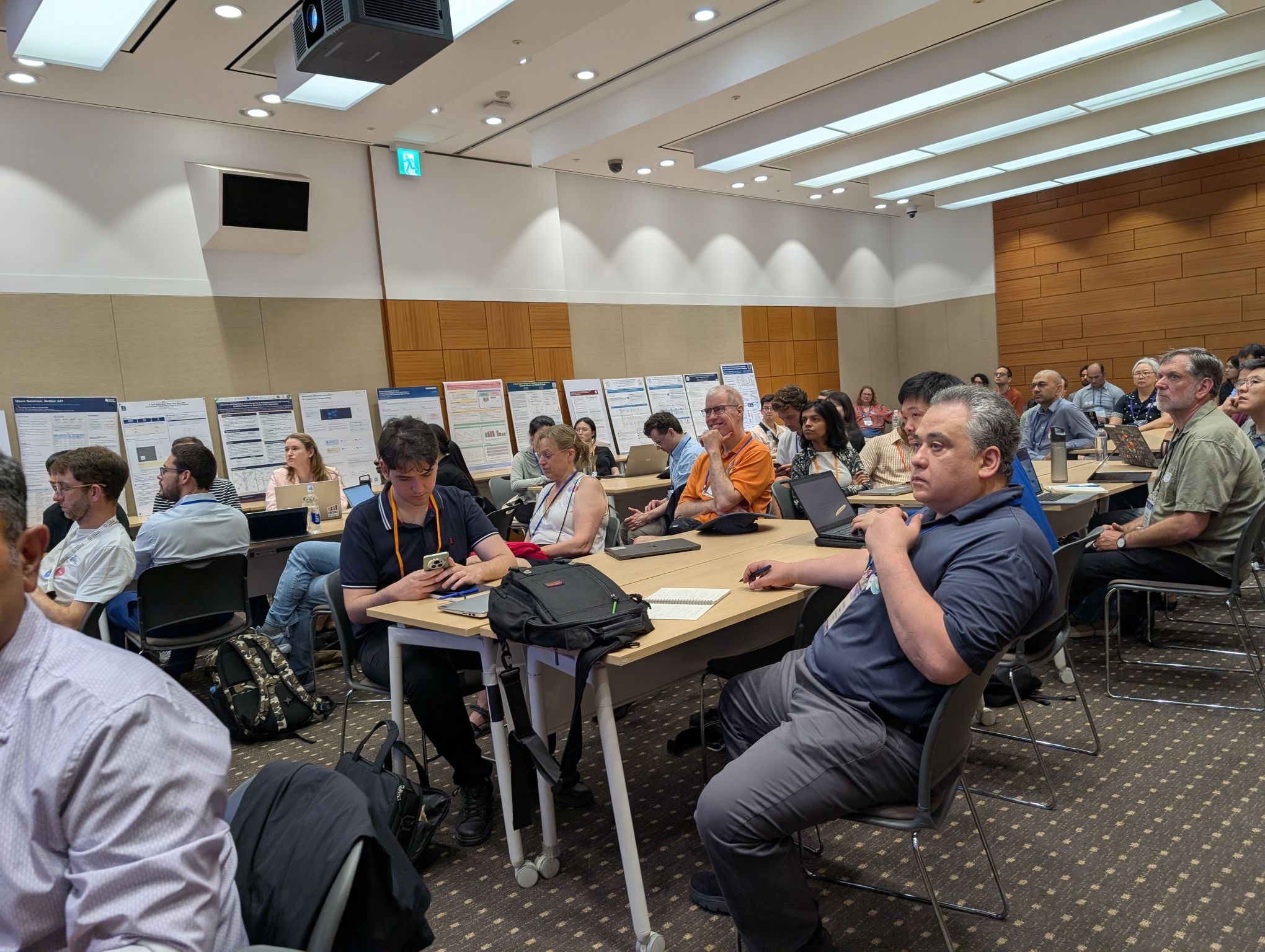
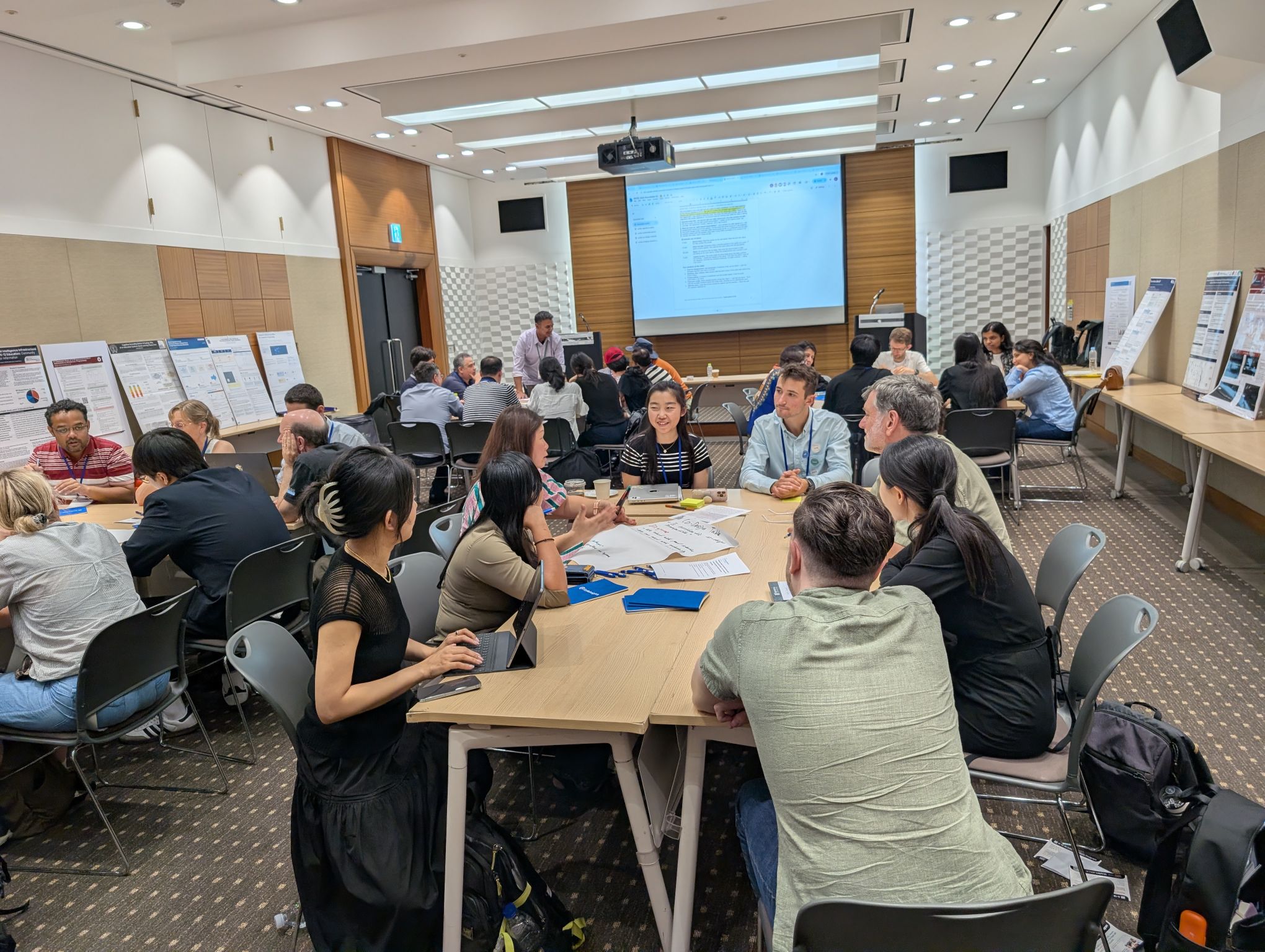
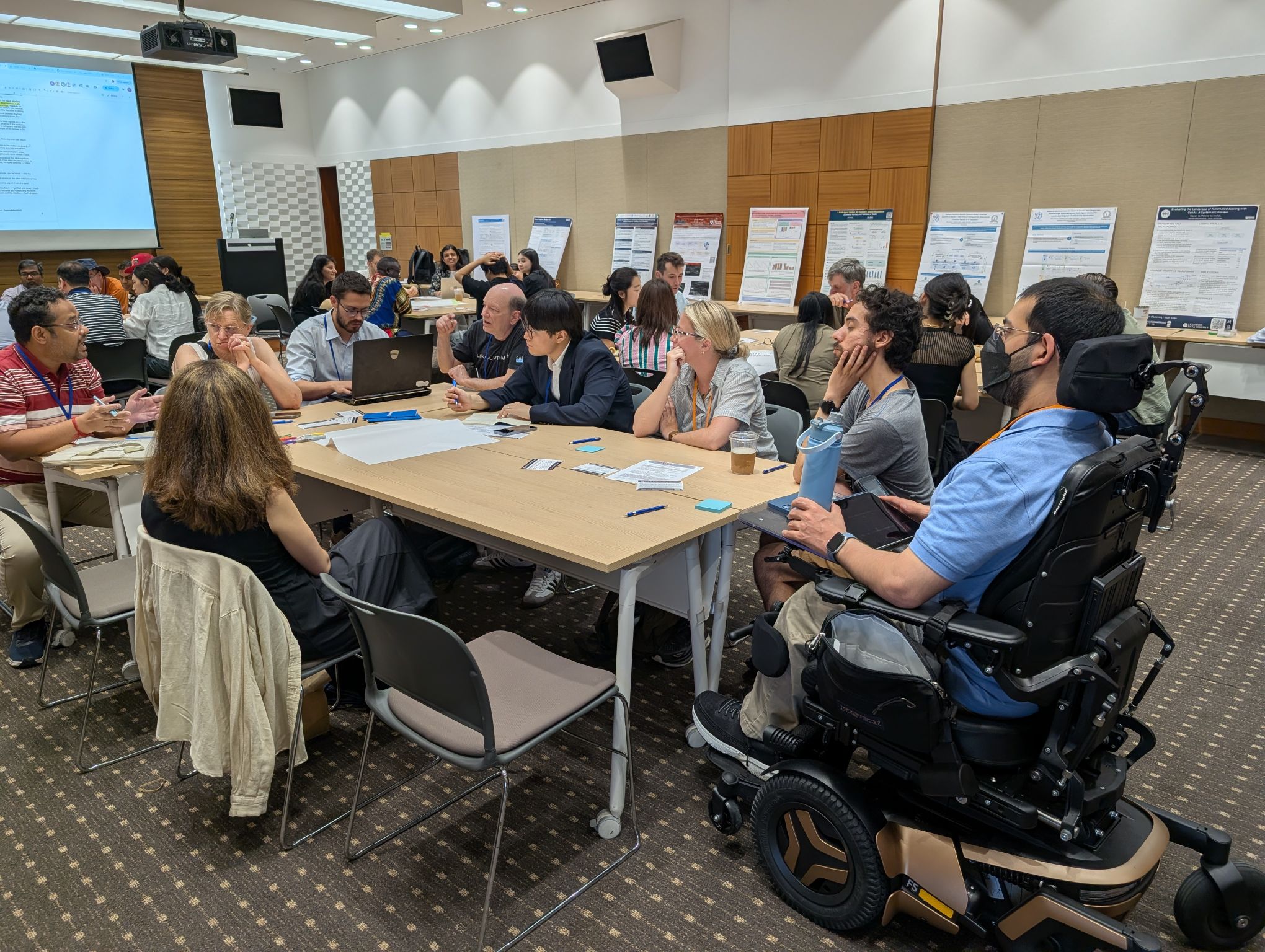
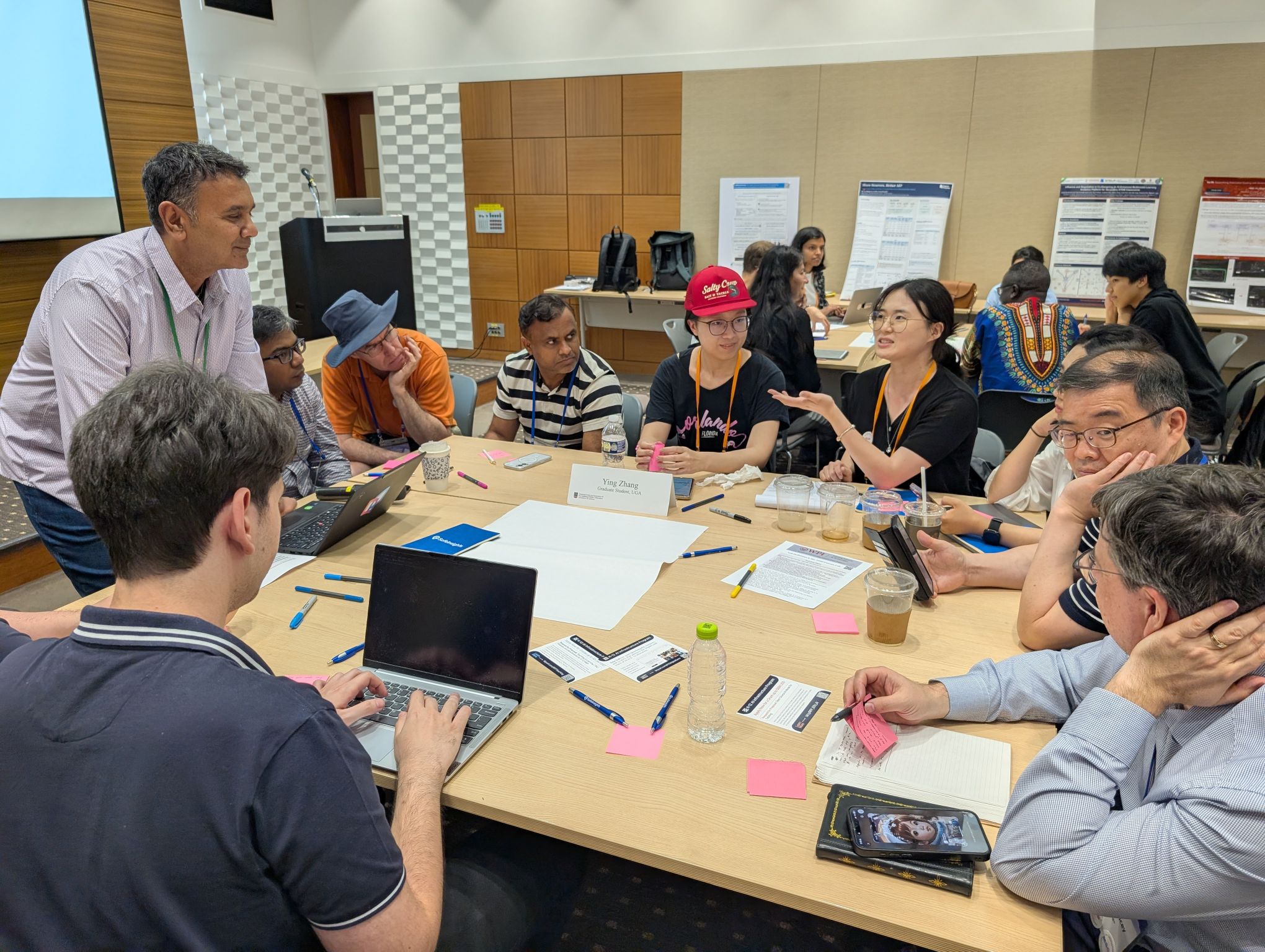
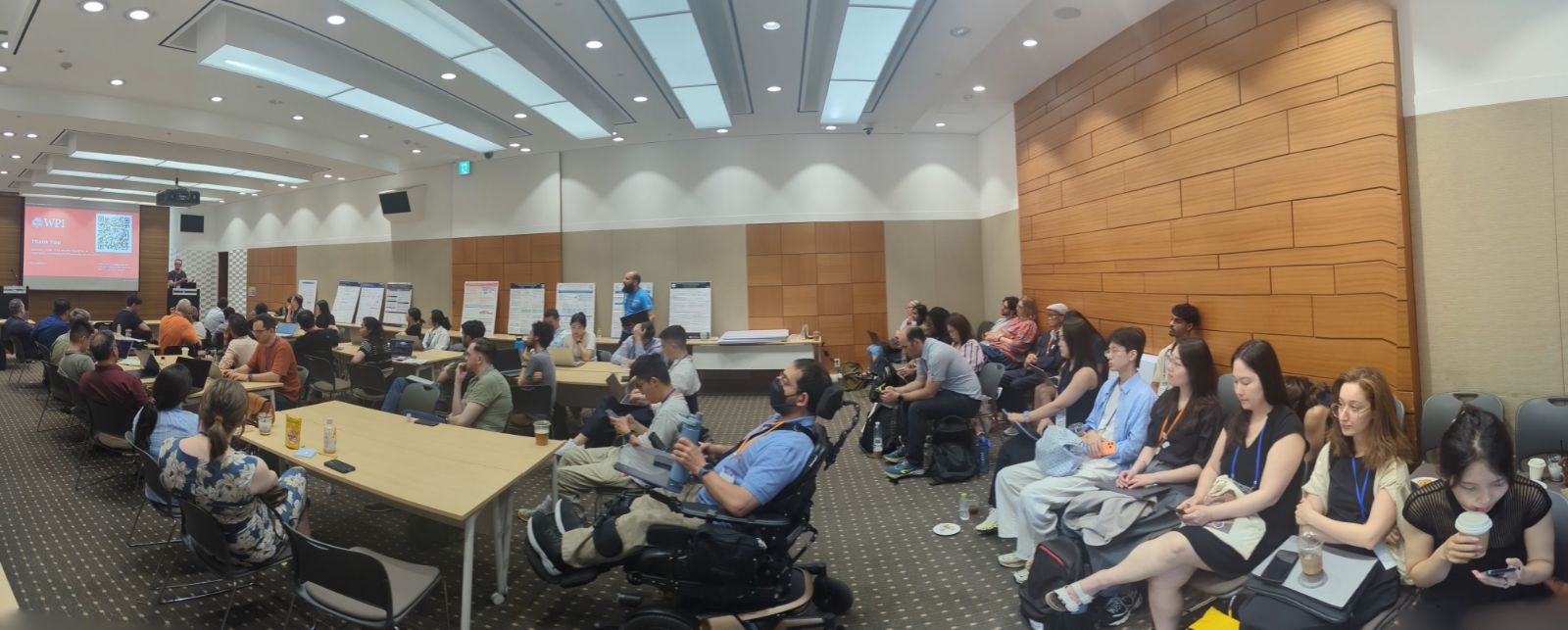
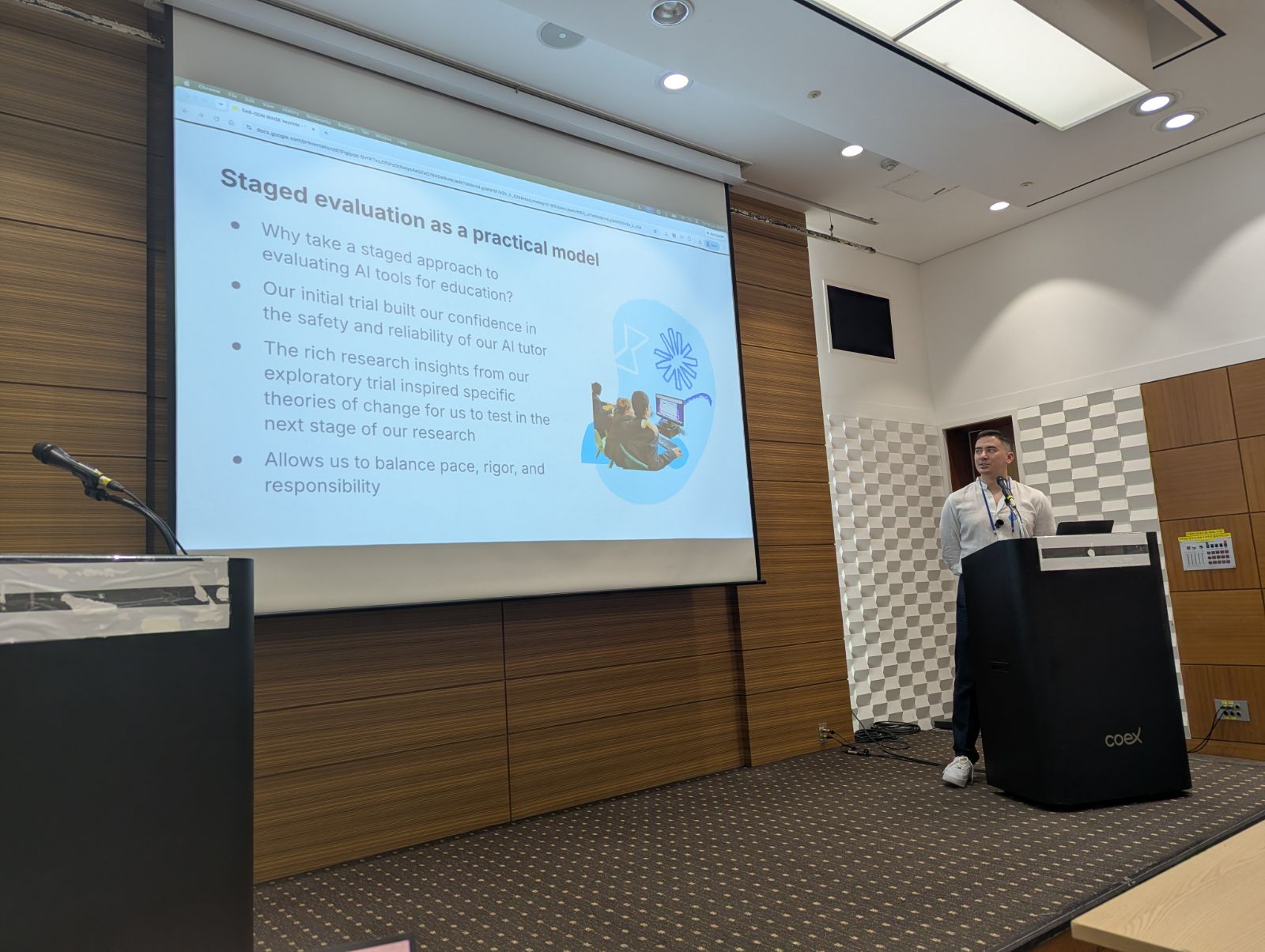
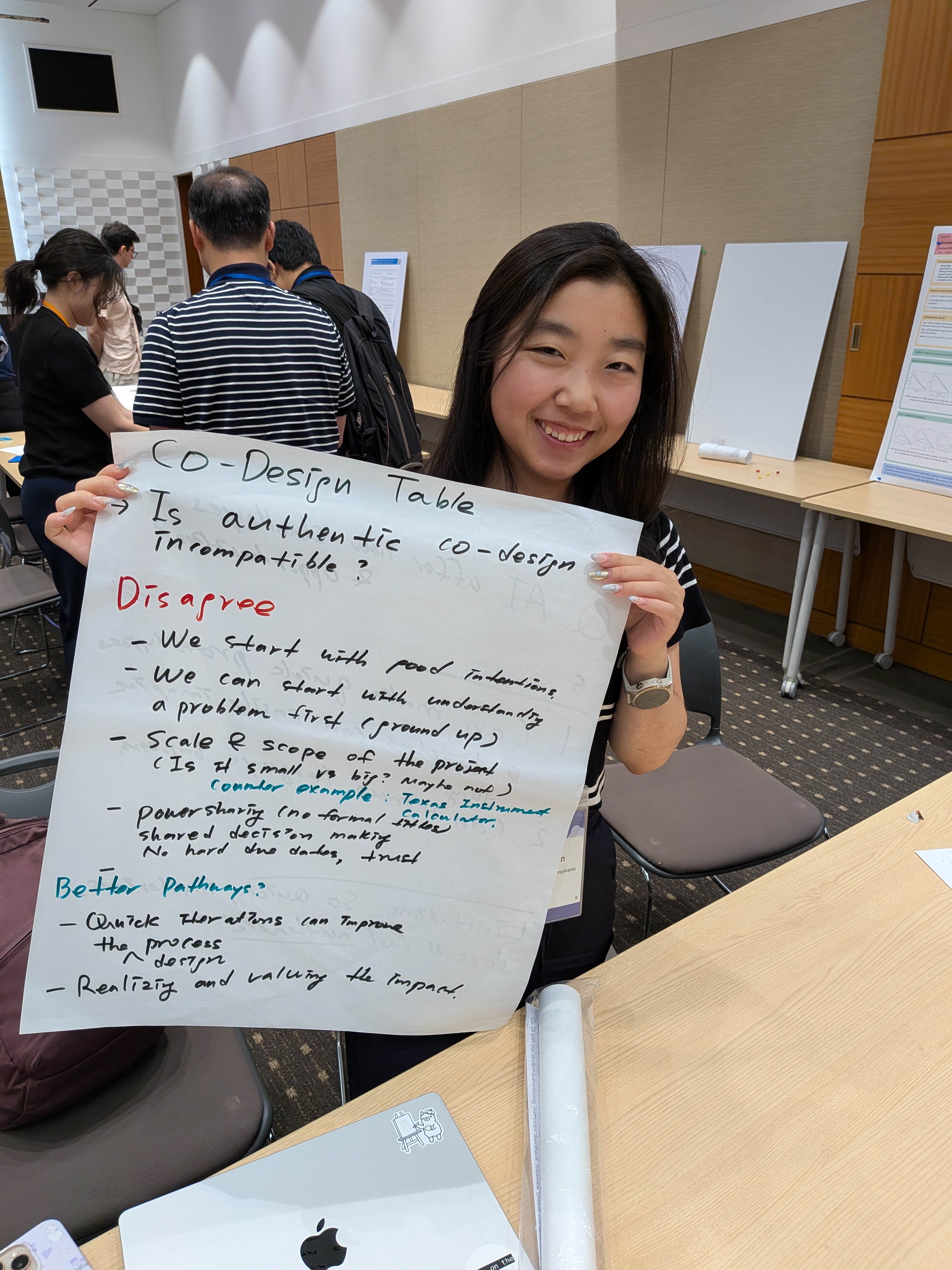
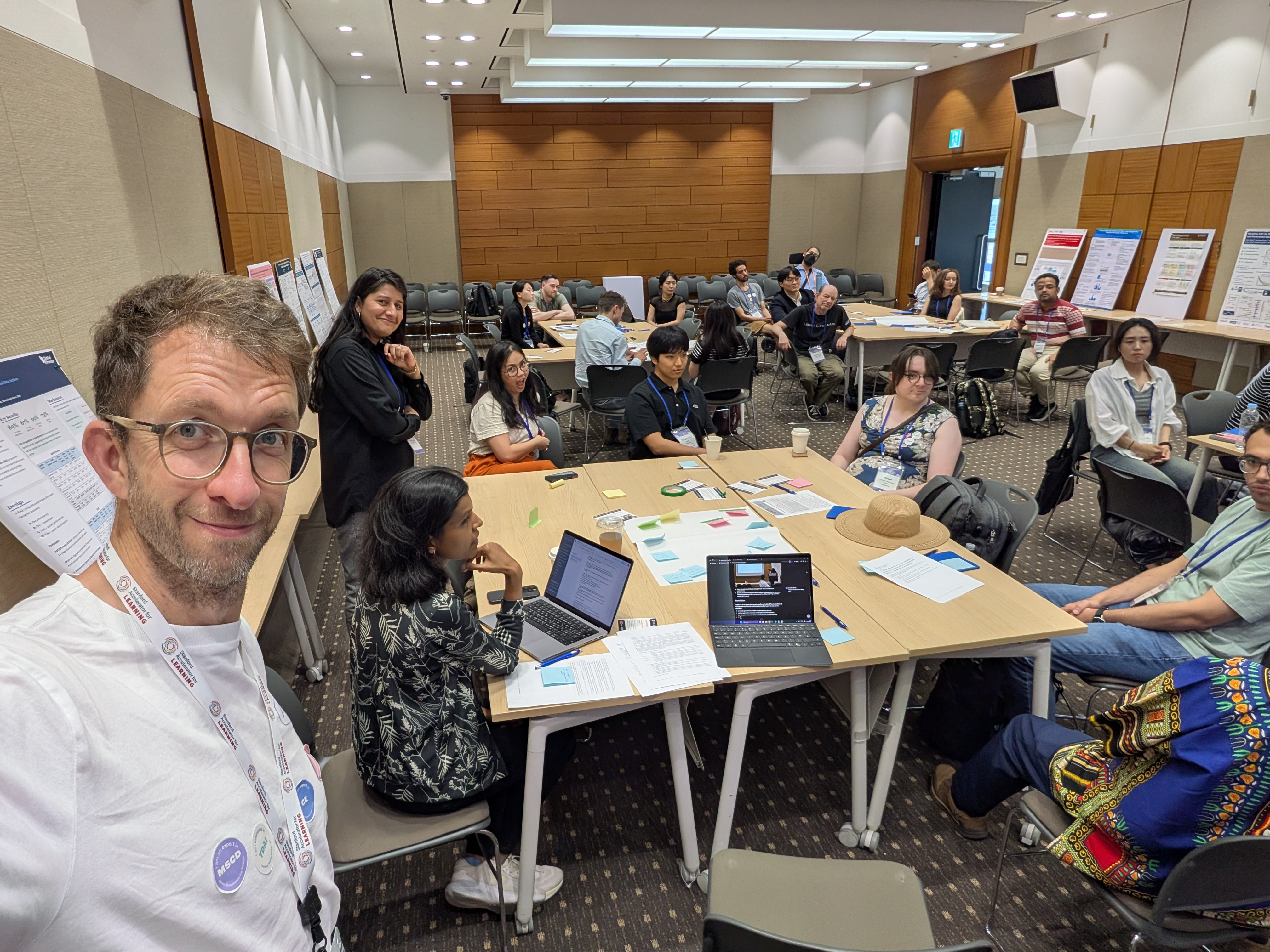
A snapshot of the day — talks, posters, roundtables, and the people who made it happen.
Keynote, invited talks, poster sessions, themed roundtables, and a closing panel — designed for deep engagement.
| Time | Session | Details |
|---|---|---|
| 8:45–9:00 | Doors open | Arrival, sign-in, and set-up |
| 9:00–9:15 | Opening Remarks | Simon Woodhead and Muktha Ananda |
| 9:15–10:00 | Keynote Address |
From exploratory signal to scale-up: evaluating a misconception-grounded AI tutor
Bibi Groot (Eedi), Kevin McKee (Google DeepMind)
Read abstractGroot and McKee will describe an ongoing collaboration between Eedi and Google DeepMind to evaluate a contextualised, misconception-grounded AI maths tutor, and how its evidence base is being built trial by trial. Eedi's diagnostic platform maps every wrong answer to a named misconception, so the AI tutor begins from a theory-driven model of the student's error rather than a blank chat window. Groot will tell the story of the exploratory three-arm randomised trial that contrasted a static pre-written hint, a live human tutor, and a supervised AI tutor working from the diagnosed misconception. In that trial the AI matched qualified human tutors on immediate error correction and on misconception resolution, and showed a directional advantage on knowledge transfer; both interactive conditions clearly outperformed static hints. McKee will then describe the scale-up now running: a four-arm, individually randomised trial across roughly 1,200 secondary maths students in ten English schools over twelve weeks, with STAR Maths growth as the primary outcome. The four arms — a control, a pedagogy-only AI tutor, a pedagogy-plus-hypercontext AI tutor, and a human tutor — are designed to isolate the question at the centre of the study: what does hypercontext, the rich personalisation of scaffolding to the individual student, add on top of a strong pedagogy prompt? The speakers will close on what this staged pipeline, from exploratory signal to confirmatory scale-up, offers as one practical way to keep rigorous evaluation and a fast-moving technology in step. |
| 10:00–10:20 | Poster Spotlight |
9 contributed poster spotlights
90 seconds each, plus 5 minutes for switches and orientation · Selected from an open call
View accepted papers
|
| 10:20–10:45 · Coffee Break & Poster Session I | ||
| 10:45–11:15 | Invited Talk 1 |
Responsible AI in Educational Assessment
Kevin Yancey (Duolingo), Diego Zapata-Rivera (ETS) · with Ikkyu Choi (ETS)
Read abstractAI presents both significant opportunities and risks for educational assessment including second language assessment. AI promises to produce higher-quality, shorter, and lower-cost language tests than was previously possible. However, educational assessment in high-stakes contexts demands that AI be deployed carefully to ensure tests maintain high standards of fairness and validity. This talk examines how two organizations have built on principles of Responsible AI to explore the use of AI in areas such as item development, test security, scoring, and communication of assessment results. |
| 11:15–11:45 | Invited Talk 2 |
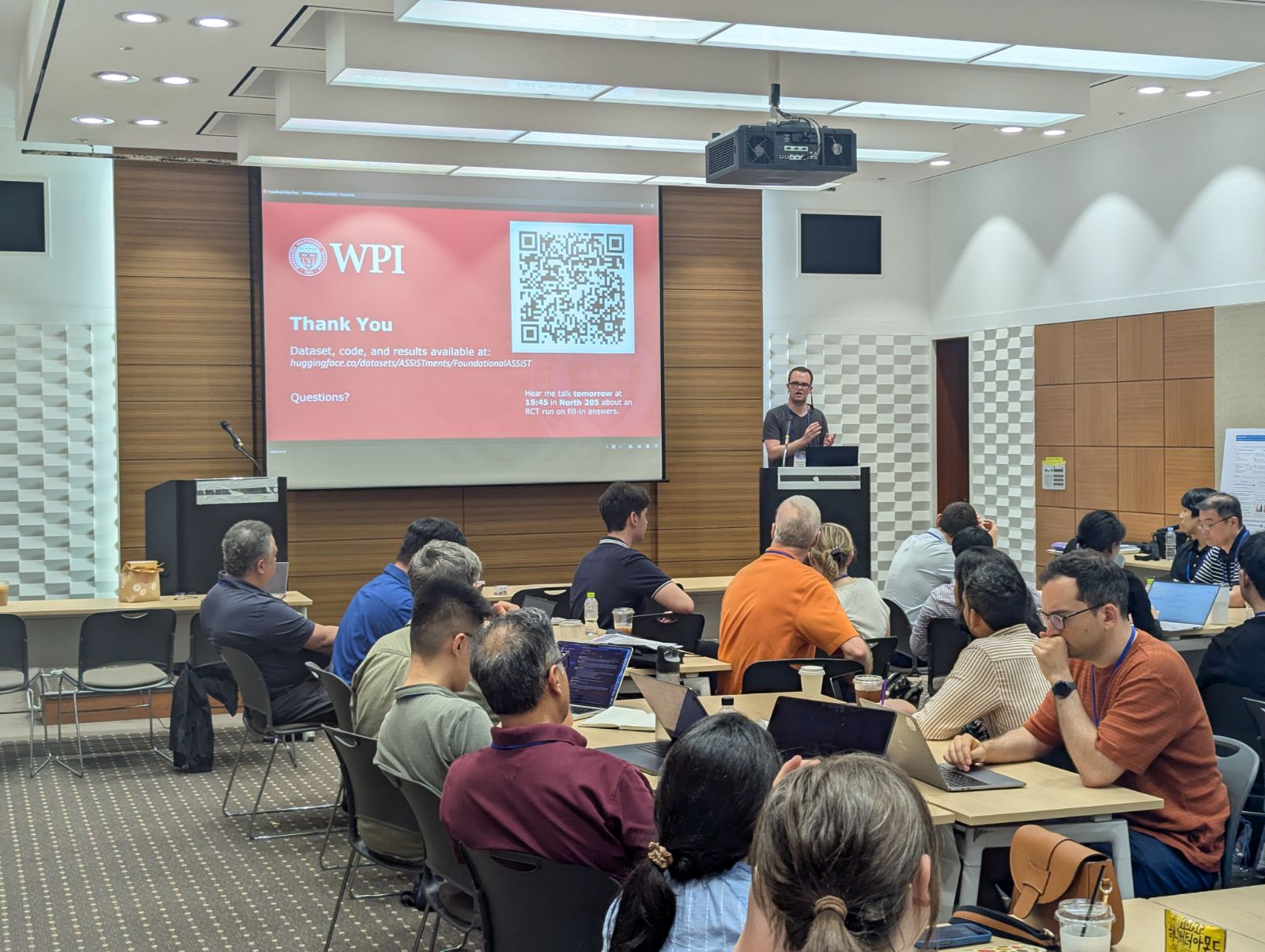
Can Large Language Models Understand How Students Learn?
Shashank Sonkar (UCF), Eamon Worden (WPI), Neil and Cristina Heffernan (ASSISTments)
Read abstractAs LLMs rapidly enter adaptive testing and personalized tutoring, education needs evidence that moves with the technology while remaining grounded in learning theory and classroom realities. In this talk, we present FoundationalASSIST, an English educational dataset developed through collaboration between the ASSISTments team, WPI, and UCF to support continuous evaluation of LLMs for learning. Unlike existing datasets built around question identifiers and binary correctness labels, FoundationalASSIST provides full question text and actual student responses across 1.7 million interactions from 5,000 students. This makes it possible to evaluate whether LLMs can model student knowledge, predict responses, and understand pedagogical properties of assessment items. We evaluate four frontier models on Knowledge Tracing and Pedagogical Grounding tasks. Results reveal major gaps: models barely exceed trivial baselines for knowledge tracing and fall below random chance on item discrimination. These findings show why classroom-ready AI requires open datasets, continuous evaluation, and evidence-based deployment. |
| 11:45–12:15 | Invited Talk 3 |
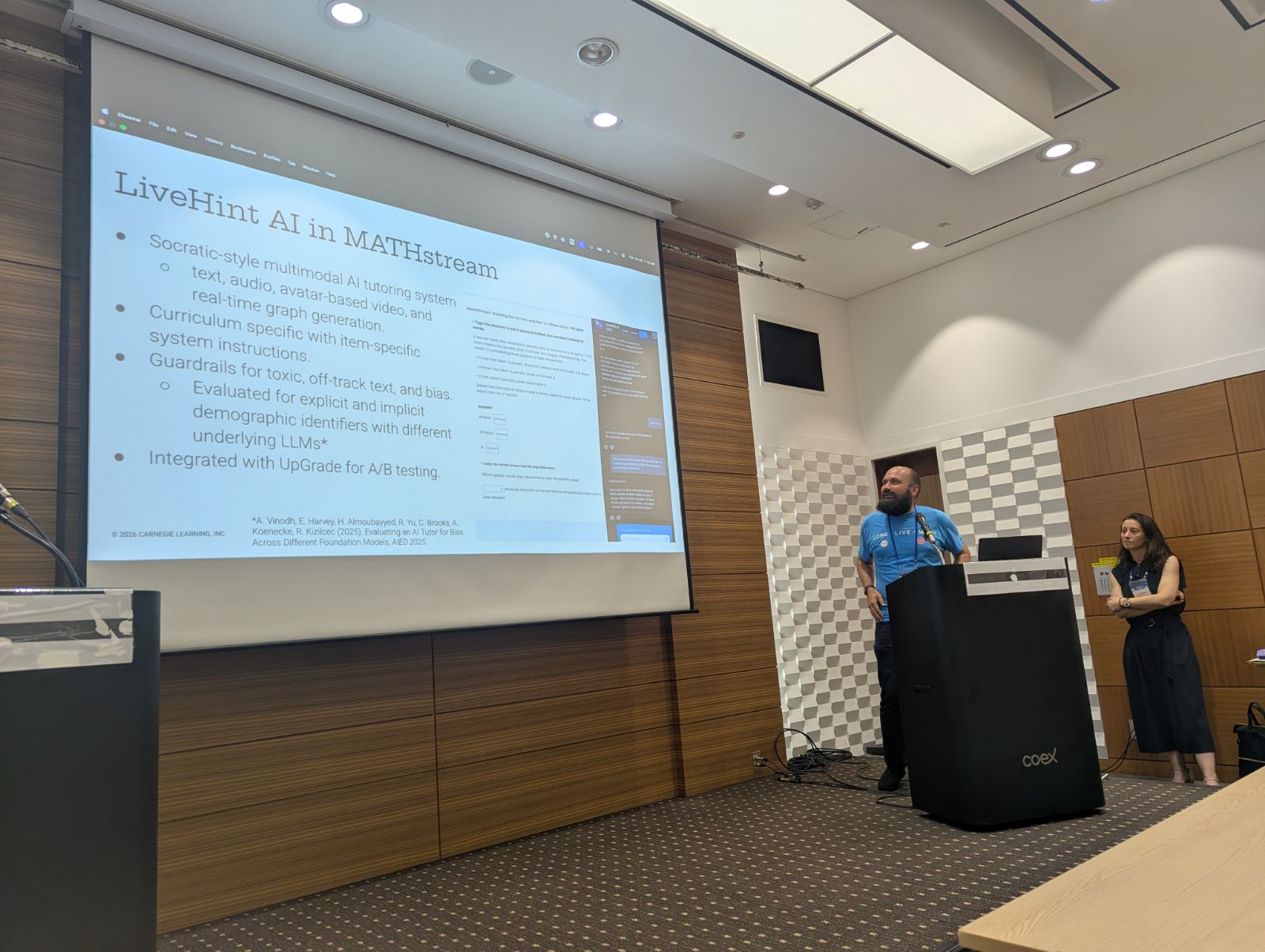
Evaluating MATHstream as a supplement to a blended, core middle school math curriculum
Stephen Fancsali (Carnegie Learning), Ana Ribeiro (SCALE, Stanford U)
Read abstractPresenters Fancsali and Ribeiro will describe an on-going collaboration between Carnegie Learning and the SCALE Lab at Stanford University to rigorously evaluate Carnegie Learning's MATHstream, a supplement to its blended, core middle math curriculum that is used by hundreds of thousands of learners every year. Fancsali will introduce MATHstream and a generative AI-enabled support within MATHstream called LiveHint AI before presenting preliminary evidence of associations between student learning outcomes and usage of MATHstream and LiveHint AI. Ribeiro will introduce SCALE Lab and describe collaborative efforts to evaluate MATHstream in an upcoming large-scale randomized controlled trial. |
| 12:15–13:45 · Lunch Break & Poster Session II | ||
| 13:45–14:15 | Invited Talk 4 |
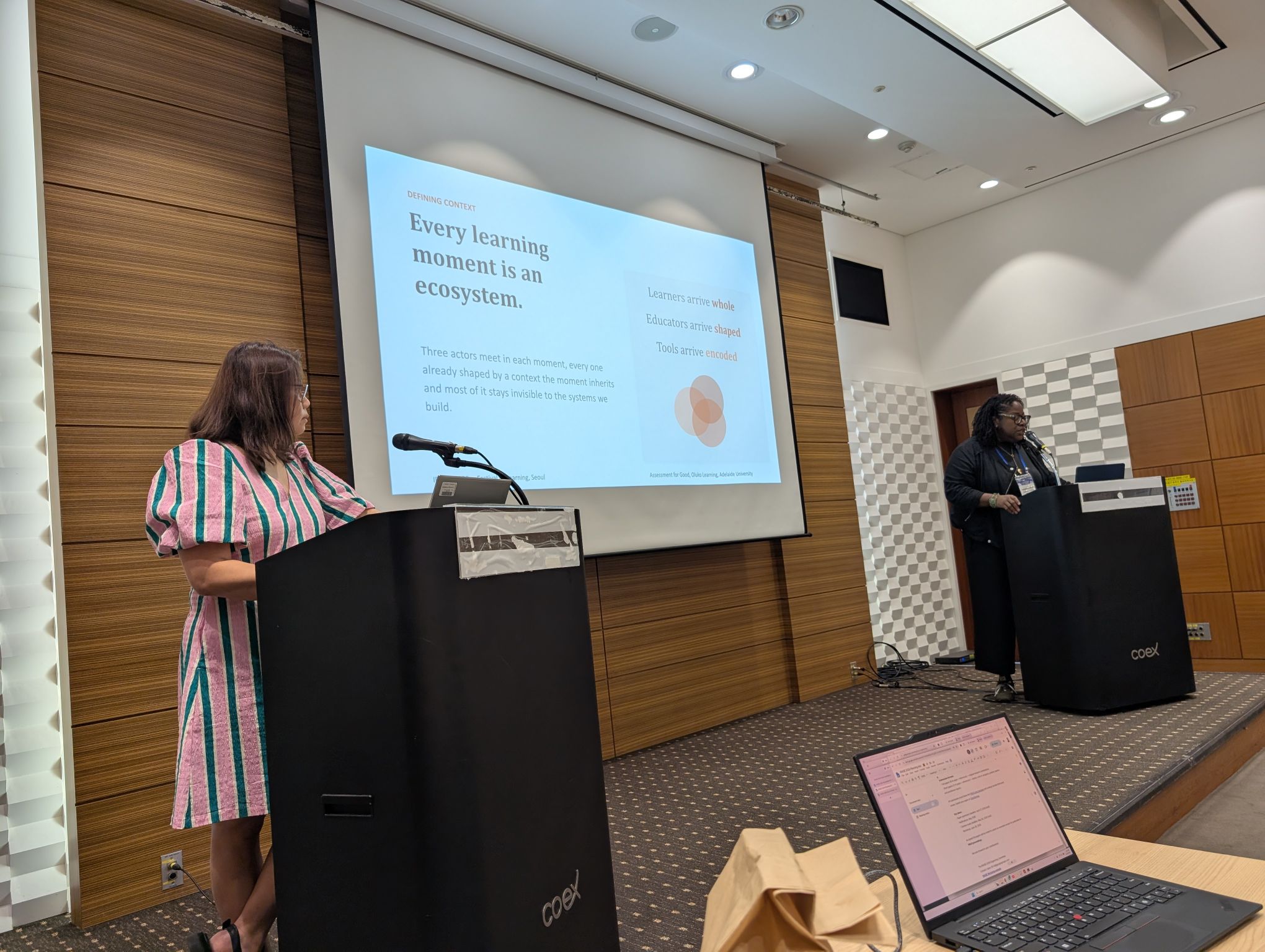
Learning Isn't Neutral: Designing Context-Aware AI for Teaching and Learning
Temple Lovelace (Assessment for Good, Oluko Learning), YJ Kim (Adelaide University)
Read abstractLearning is never neutral. Every learning moment is an ecosystem: learners arrive whole, educators arrive shaped by their own histories, and tools arrive encoded with assumptions, yet most systems see only a fraction of this context. We argue that context can and should be an intentional design target for AI in education, not a generic instructional add-on, across the continuum from preservice to inservice teaching. We illustrate this through two cases where instrumenting context is a central design guideline. In New Insights, practicing educators used AI-supported assessment as an in-the-moment guide, describing a shift toward asset-based teaching that made the whole learner — how they work, persist, and self-direct — more visible. In CRP-JeepyTA, preservice teachers learning culturally responsive pedagogy engage a tool grounded in local course knowledge, a persona informed by teacher educators of color, and prompts surfacing their own positionality. Together, these cases show how design can make learners' resources and teachers' contexts salient, rather than flattening them. |
| 14:15–15:15 | Small-Group Roundtables |
Four themed roundtables
Facilitators and scribes paired together to capture discussion and debate
Reflection prompt & notesName one thing that must be true by IRAISE 2027 for this disagreement to have moved. Not solved, but moved. |
| 15:15–15:45 · Coffee Break & Poster Session III | ||
| 15:45–16:15 | Full-room open discussion | Continued from the roundtables |
| 16:15–16:30 | Closing Remarks & Next Steps | Debshila Basu Mallick |
Every poster shown at the IRAISE 2026 poster sessions, sorted by first author.
Keynotes, invited talks, and roundtable facilitation from researchers, engineers, and educators across the AI-in-education landscape.
 Bibi Groot
Chief Impact Officer
Eedi
Bibi Groot
Chief Impact Officer
Eedi
 Kevin McKee
Evaluations Lead, AI for Education
Google DeepMind
Kevin McKee
Evaluations Lead, AI for Education
Google DeepMind
 Kevin Yancey
Director of AI Research
Duolingo
Kevin Yancey
Director of AI Research
Duolingo
 Diego Zapata-Rivera
Presidential Appointee
ETS Research Institute
Diego Zapata-Rivera
Presidential Appointee
ETS Research Institute
 Neil Heffernan
Cofounder, ASSISTments
Professor, WPI
Neil Heffernan
Cofounder, ASSISTments
Professor, WPI
 Cristina Heffernan
Cofounder
ASSISTments
Cristina Heffernan
Cofounder
ASSISTments
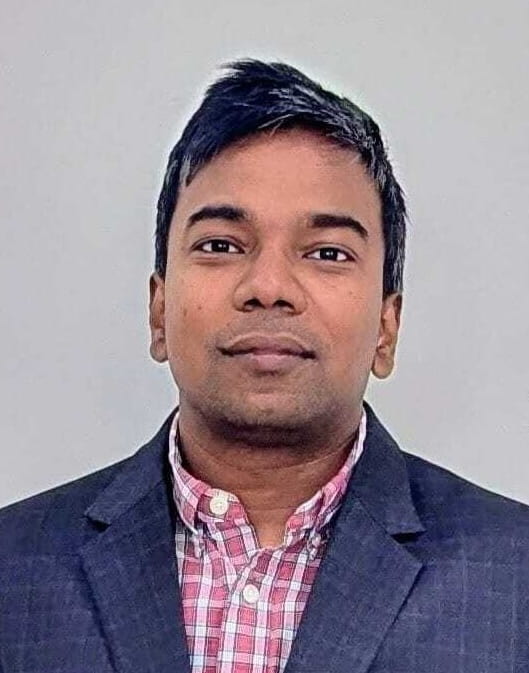 Shashank Sonkar
Assistant Professor
University of Central Florida
Shashank Sonkar
Assistant Professor
University of Central Florida
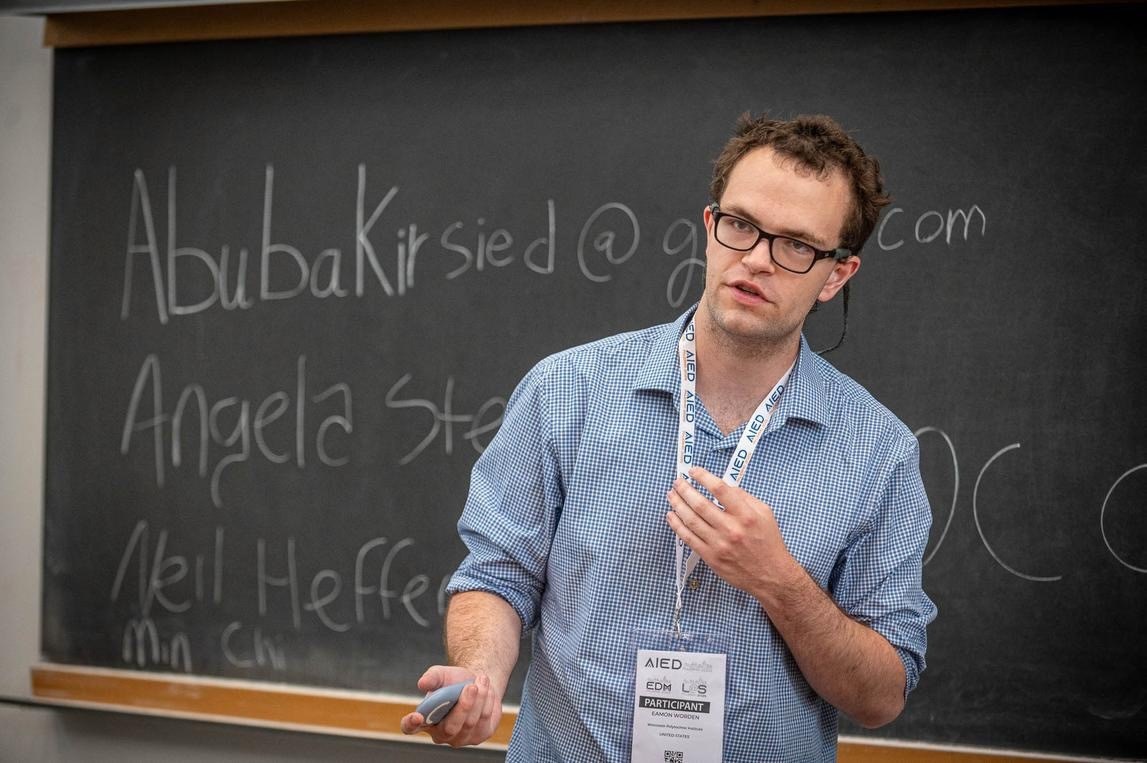 Eamon Worden
PhD Candidate
WPI
Eamon Worden
PhD Candidate
WPI
 Stephen Fancsali
VP of Data Science
Carnegie Learning
Stephen Fancsali
VP of Data Science
Carnegie Learning
 Ana Ribeiro
SCALE
Stanford University
Ana Ribeiro
SCALE
Stanford University
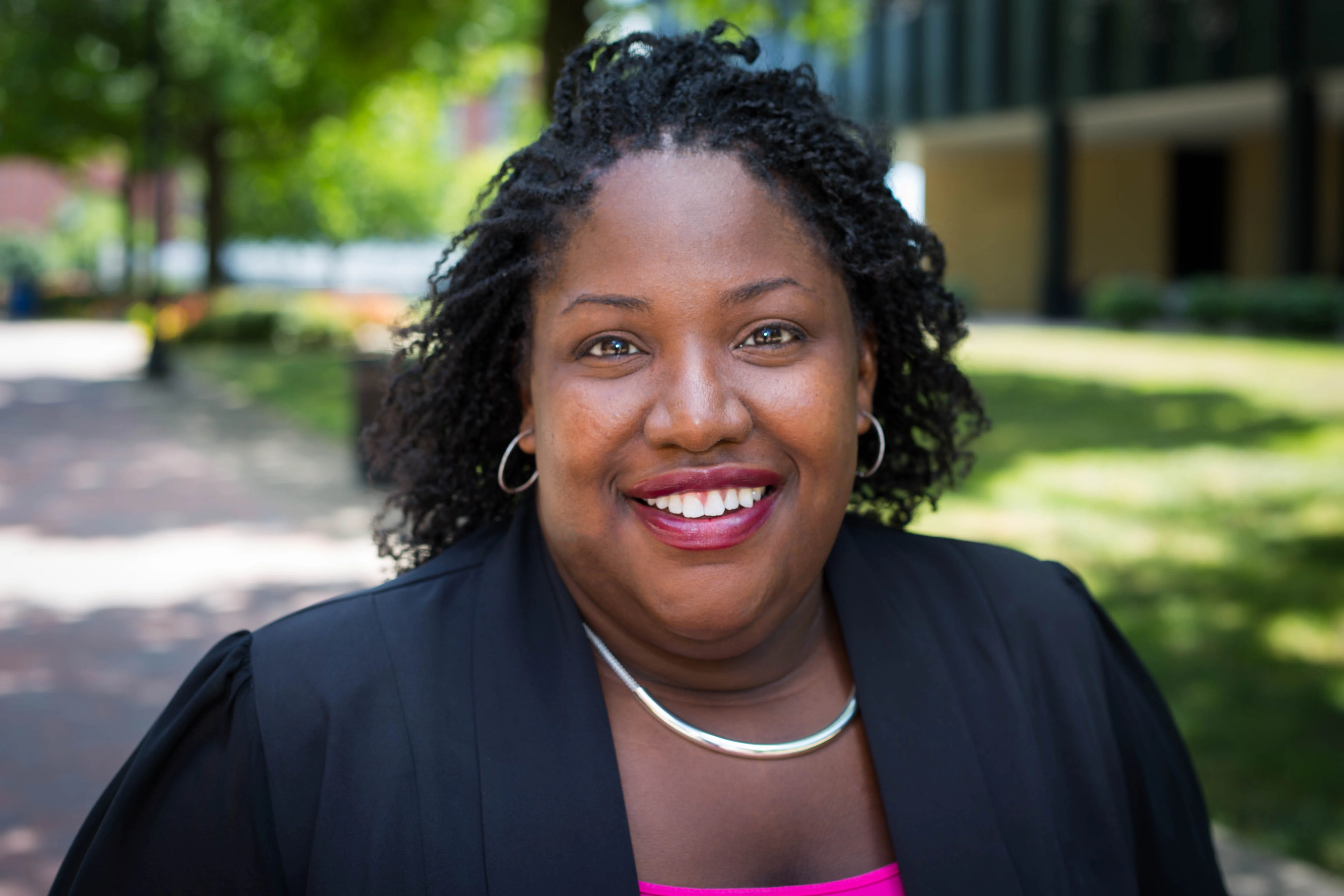 Temple Lovelace
Assessment for Good
Oluko Learning
Temple Lovelace
Assessment for Good
Oluko Learning
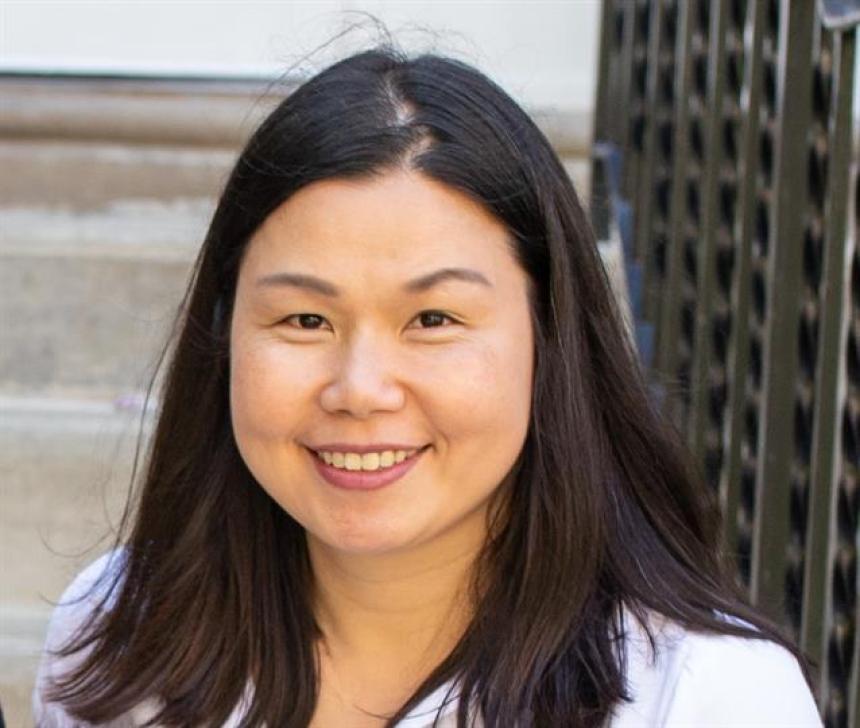 YJ Kim
Senior Lecturer
University of Adelaide
YJ Kim
Senior Lecturer
University of Adelaide
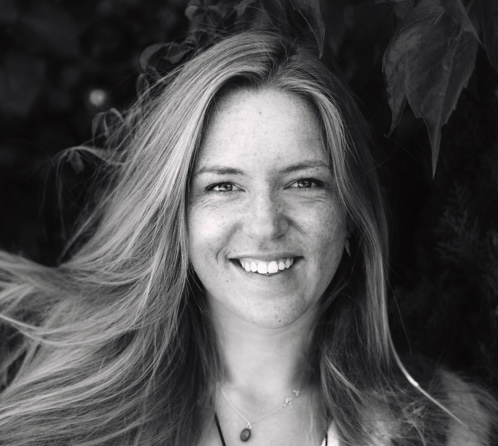
 Jeremy Roschelle
Executive Director for Learning Sciences
Digital Promise
Jeremy Roschelle
Executive Director for Learning Sciences
Digital Promise
Supporting students and postdocs furthest from opportunity to attend the Festival of Learning, 2026.
We are pleased to announce a travel scholarship for the IRAISE workshop at the Festival of Learning 2026 conference and attendance. This scholarship is intended to broaden participation in the conference and the workshop, with a focus on reaching underserved and underrepresented undergraduate and graduate students as well as postdocs in the machine learning and AI domain.
The award will be valued commensurate to travel, accommodation, and registration fees. We look forward to your applications and hope to see you in Seoul, South Korea in June 2026.
Announced
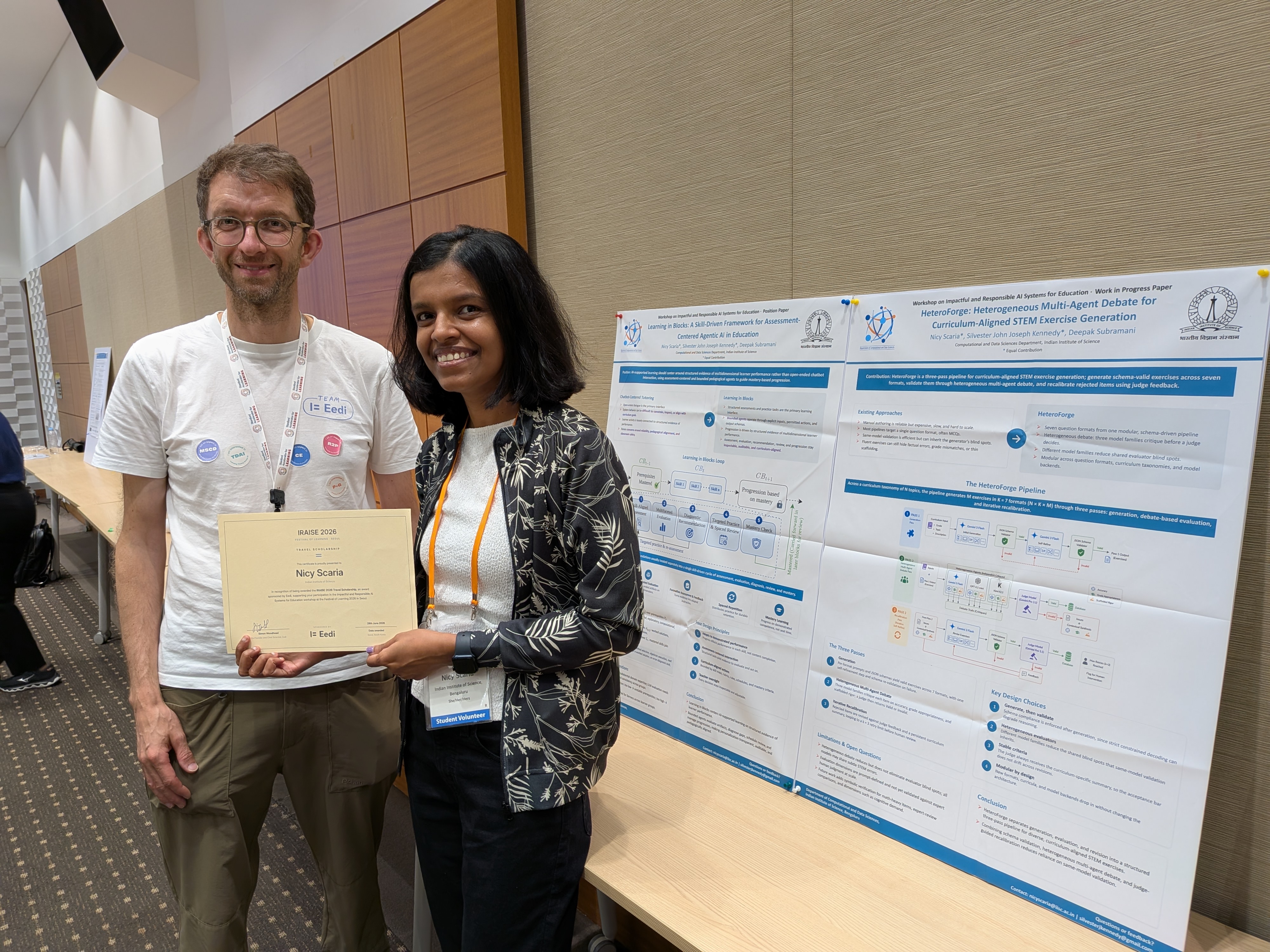
Nicy Scaria — awarded the IRAISE 2026 travel scholarship, sponsored by Eedi.
Leaders from Google, OpenStax / SafeInsights, Duolingo, Carnegie Learning, Adobe Research, and Eedi Labs.
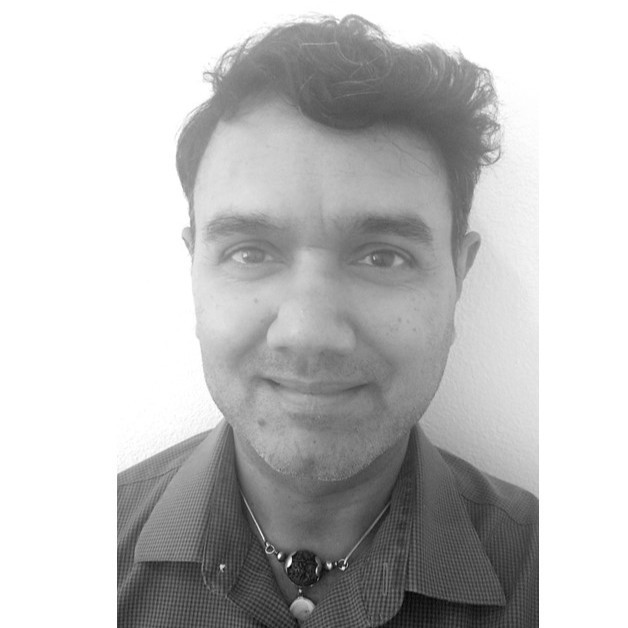
Director of Engineering at Google, leading LearnX and contributing to AI-powered learning experiences.

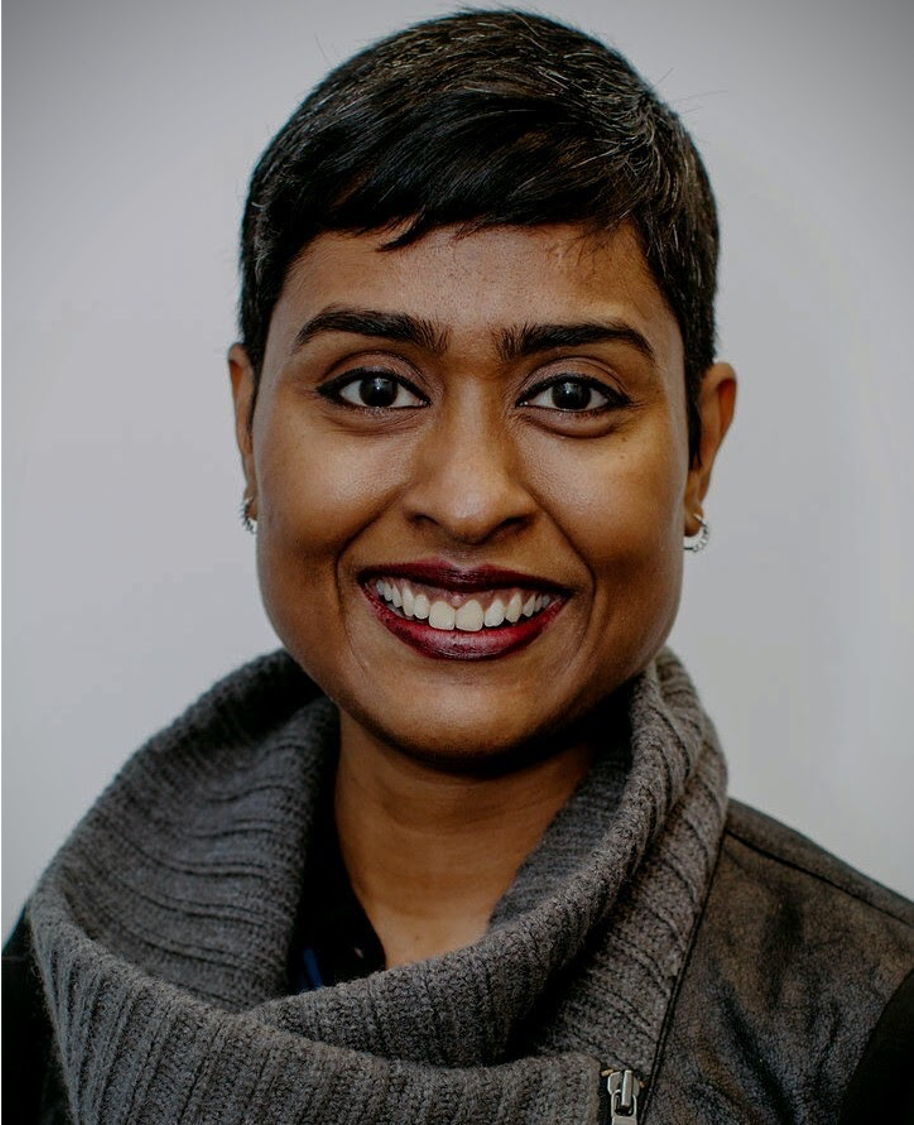
Scientific Director of SafeInsights and Director of Research at OpenStax, Rice University.



Principal Assessment Scientist at Duolingo, leading validity and efficacy research for the Duolingo English Test.

Senior Director of Learning Engineering at Carnegie Learning, overseeing the development of UpGrade, a free and open-source platform for rigorous field tests within educational software.
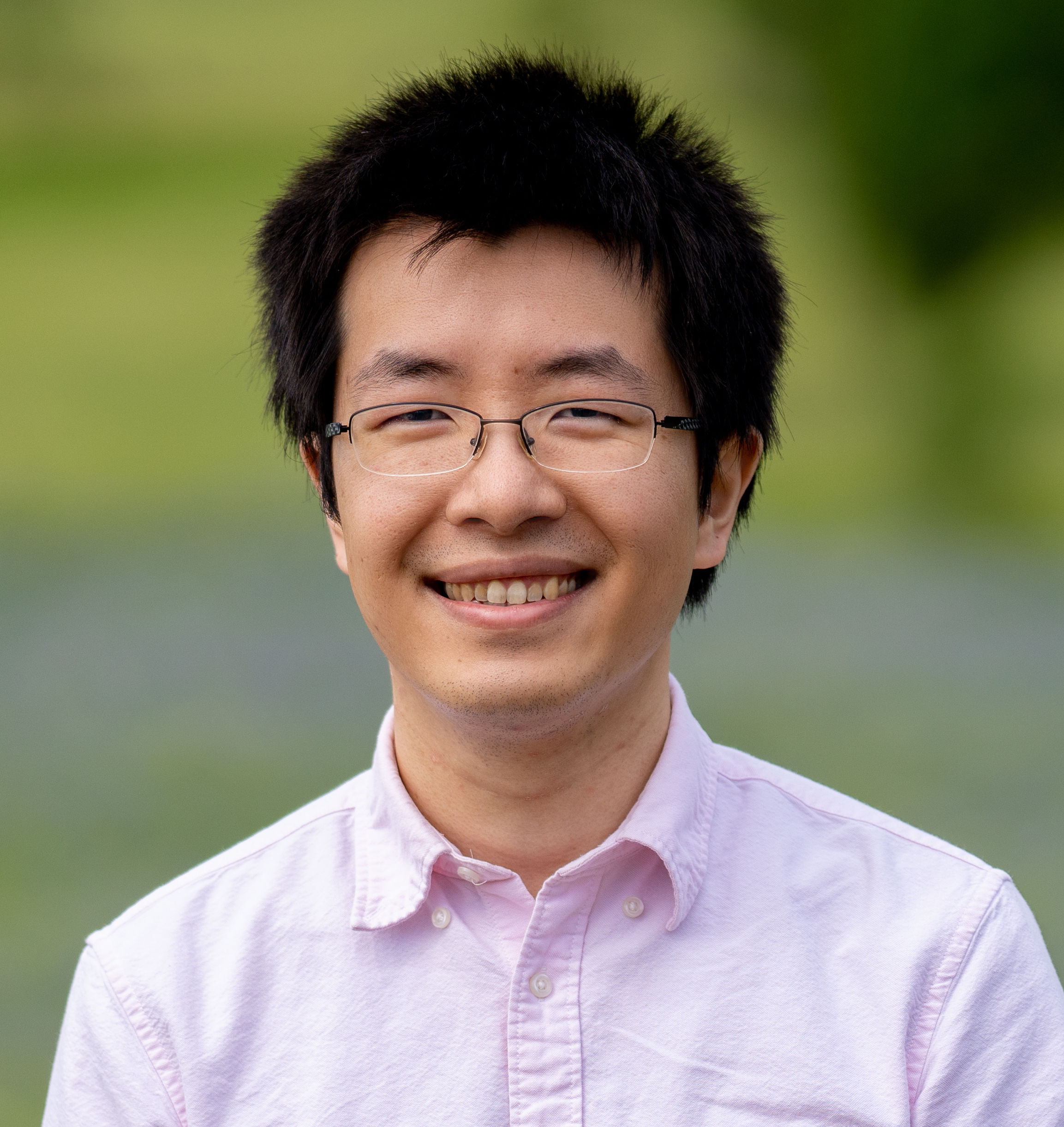
Research Scientist at Adobe Research focusing on AI for education and educational data science competitions.


Co-Founder and Chief Scientist at Eedi Labs with longstanding work in math edtech and data science in education.

Two prior editions at AAAI led to IRAISE 2026.
Submissions closed. Full CFP and camera-ready guidance preserved for reference.
We welcome submissions that cut across the pillars.
All submissions must follow the PMLR style template.
All submissions underwent double-blind peer review via OpenReview. Submitted manuscripts were fully anonymized — author names, affiliations, and self-identifying references removed.
Submissions closed
Paper submission deadline was May 6, 2026 (23:59 AoE).
Posters: A1 vertical or smaller (max 594 × 841 mm / 23.4 × 33.1 in). Smaller sizes welcome.
Venue note: Wall mounting and standard panels may not be available; the local team will provide foam boards leaned against walls.
Accepted full and short papers will be invited to submit an extended version addressing reviewer remarks for publication in PMLR proceedings.
Submit the camera-ready paper and your response to reviewers on OpenReview using the PMLR template.
Camera-ready deadline: June 17, 2026 (23:59 AoE).
\documentclass[pmlr]{jmlr}. Template and sample (pmlr-sample.tex): ctan.org/pkg/jmlr. If you already used it for submission, just keep it.\jmlrvolume{} % leave EMPTY — we fill in the volume number
\jmlryear{2026}
\jmlrworkshop{Impactful and Responsible AI Systems for Education}
Please do not set page numbers — they're assigned automatically when we compile the volume.
wang.zip).The source lets us set the official volume and page numbers for you, so you don't have to.
Wrote your paper in Word? You can skip the source upload — just submit your final PDF and we'll handle the volume and page numbering on our end.
Pre-workshop asset upload guidance for accepted authors. Preserved for reference.
All accepted authors should upload a copy of their poster to the shared folder. Oral spotlight authors should additionally upload their 90-second spotlight slide.
Poster file: firstauthorlastname_poster_iraise26.extension
Oral spotlight slide: firstauthorlastname_oral-spotlight_iraise26.extension
Use the first author's last name in lowercase. Examples: sonkar_poster_iraise26.pdf, sonkar_oral-spotlight_iraise26.pdf. Replace .extension with your file type (e.g., .pdf, .pptx).
Pre-workshop deadlines. Preserved for reference.
| Status | Date | Milestone |
|---|---|---|
| May 6, 2026 | Paper submissions, and travel scholarship applications due (23:59 AoE) | |
| May 1, 2026 | Review period begins | |
| May 20, 2026 | Reviewer deadline (23:59 AoE) | |
| Updated | June 17, 2026 | Camera-ready papers due (23:59 AoE) |
| June 28, 2026 | Workshop day |
Questions about submissions, registration, or travel scholarships? Reach out to the organizing team.